BURST
BURST – Backcountry User Rescue & Survival Training
Bridge the Gap Between Avalanche Training, First Aid, and Real-World Emergencies
Thank you for your interest in the BURST course — a unique, 1-day immersive training designed to fill the gap between avalanche safety, wilderness first aid, and practical emergency response in the backcountry.
Whether you’re a seasoned skier, splitboarder, snowshoer, or new to winter travel, BURST provides the tools and mindset to better respond to incidents when professional help is hours (or days) away.
Topics Covered:
-
How to activate Search & Rescue in Canada — what to expect when you do
-
Choosing & using communication devices: radios, PLBs, satellite messengers
-
Avalanche mitigation during companion rescue
-
Hypothermia prevention and treatment in the field
-
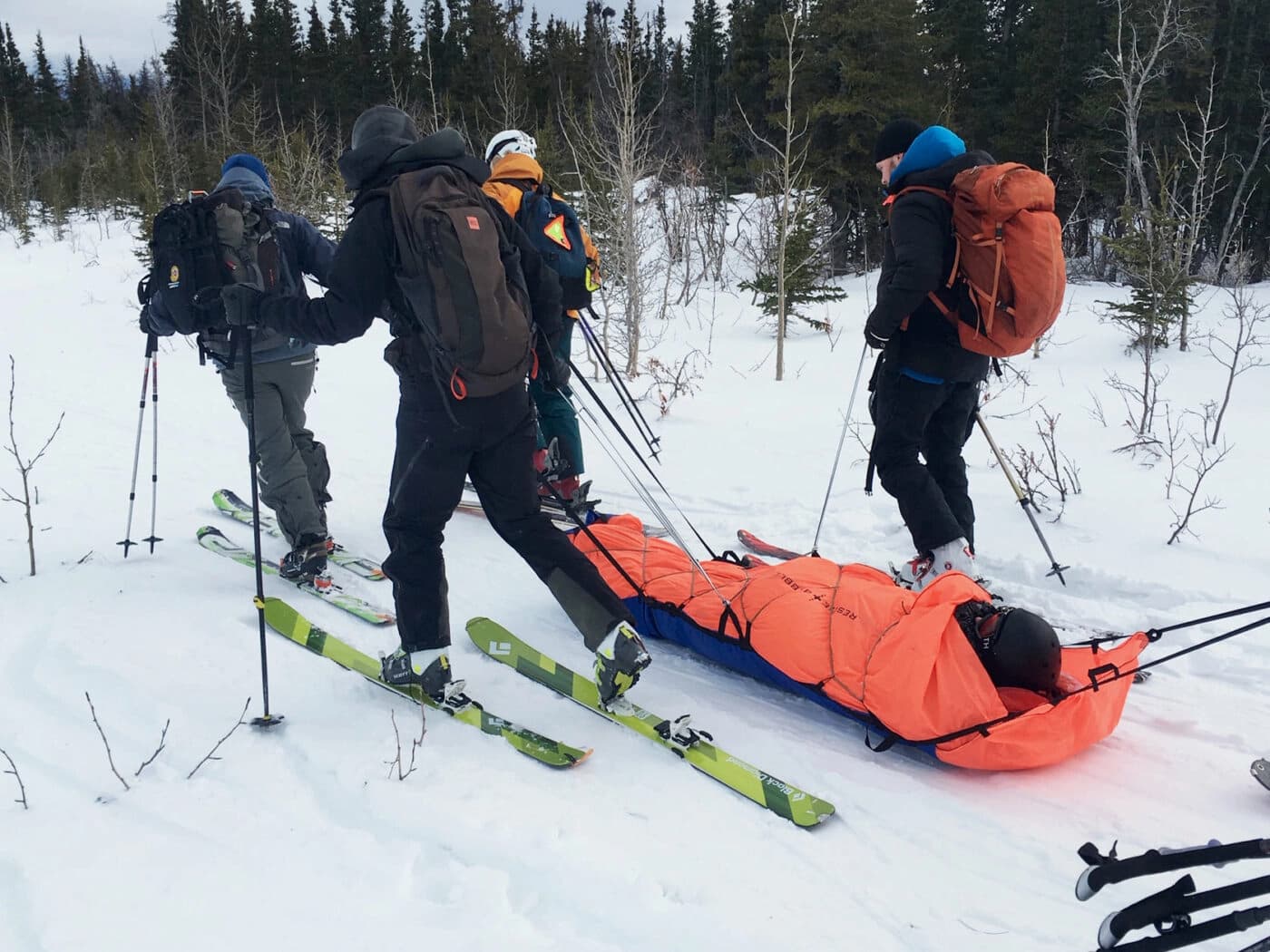
Emergency evacuation techniques with limited resources
-
Tree well awareness & rescue strategies
-
Winter survival shelters and how to build them efficiently
-
Fire-starting skills in cold and snowy environments
Practical, scenario-based learning in a supportive environment.
Looking to Lead?
Ask us about our 2-day BURST for Amateur Leaders, designed for those taking on more responsibility in group settings.
Contact us to register, ask questions, or find course dates near you.
This 1day course is based entirely outside at a local backcountry touring/snowshoeing location in the West Kootenays. Dress accordingly and expect to be outside all day from 8am to 4pm.
Intermediate backcountry skiing or boarding ability is an asset (touring equipment, snow board, snowshoes or split board required). Previous avalanche training useful but not required. Students are responsible to self evaluate their skills as groups need to be matched together based on prior experience and ability. Please contact us to discuss your background.
Main Equipment List here
In addition, students should bring the following for this course:
-Tarp (6×8’ min)
– 5-6m of 6-7mm cordalette
– Duct Tape
– Space Blanket
– 2 puffy Jackets (one to be worn, one for the patient)
– Wood Saw (35cm)
– Foam Pad or small Thermarest
– Fire Starting material
– 10m of small (1-2mm cordage or paracord)
This course is based in Nelson BC. Field days will occur in the Selkirks Mtns, the local backcountry near Nelson. Details will be given to participants before course start. For a list of possible venues click Nelson Classics.
Kootenay weather can vary drastically. In winter you can expect temperatures to be from -20C to –5C in the day while in spring daily temperatures could rise well above zero. Visibility may be poor or whiteout conditions when snowing heavily or clear on bluebird days. Ensure you are dressed for all variations as temperatures, wind, precipitation can change within the day.
Where can I rent Ski touring and safety equipment?
Here are a few outdoor stores in Nelson that supply good service and quality outdoor equipment and gear rental, please ensure you rent gear well in advance.
ROAM phone 250-354-2056
Valhalla Pure Outfitters phone 250-354-1006
Gericks phone 250-354-4622
Sacred Ride phone 250-354-3831
What transceiver should I use?
If you are interested in touring in the backcountry with friends or take one of our courses, it is very important to get a modern “triple antenna digital transceiver” with a marking function. We ask participants to ensure that they have a digital transceiver for the course.
For recreational skiers and boarders, we suggest the following beacons: Mammut-Baryvox “Element”, Ortovox “Zoom”, Peeps “Recon” or the Tracker “3” or “S”. For people that moving towards working in the ski industry a more professional “more advanced” beacons is recommended, such as Mammut-Baryvox “Pulse or S”, Ortovox “3+“ or Peeps “guide”, etc.
Skis, Telemark or Split Boards?
Which should you use? If you are a downhill skier then you should use Alpine Touring gear. Only if you are already an advanced Telemark skier or Snowboarder should you bring Telemark or Split Board gear. All types of gear can be rented in Nelson prior to your day trip. There are three types of backcountry systems you can use:
Alpine Touring skis are essentially downhill skis with a special touring binding which allows the heel to lift whilst going uphill or across the flats and then ‘locks down’ to become a regular downhill safety binding. We recommend this system to anyone with a background of downhill skiing who is not already an advanced telemark skier.
Telemark skis. These should only be used for this program if you are at least an advanced-intermediate telemark skier with some backcountry experience. This system is more difficult and less forgiving than the others.
Snowboarding with a Split Board is the most effective way to snowboard in the back country. We recommend this system to advanced snowboarder over snowshoeing.